The 100th Anniversary of Table Tennis Championships
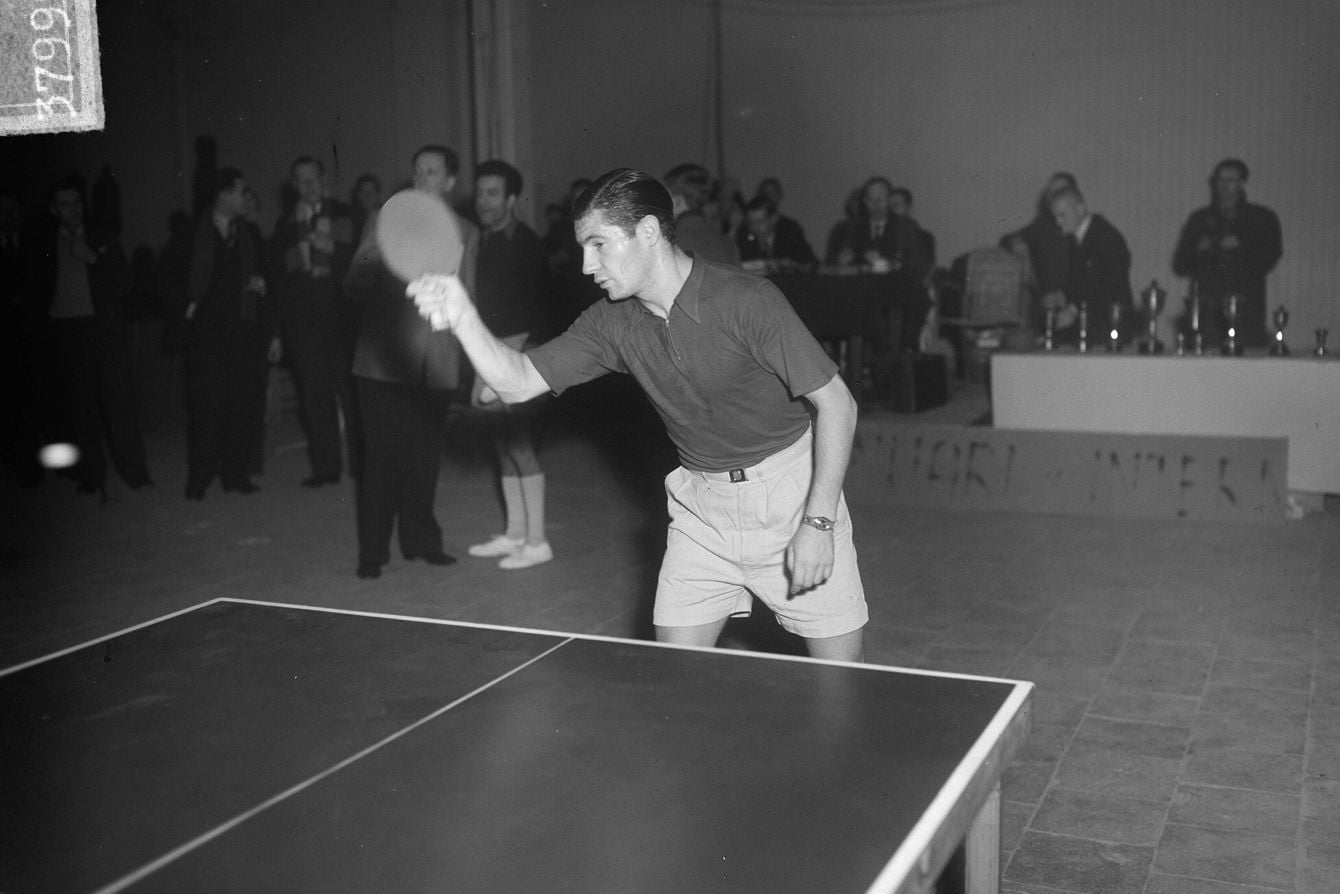
It’s a game that has captivated the world for hundreds of years, but 2026 marks the 100th anniversary of the official World Table Tennis Championships, set to be hosted in London, England, from 28th April until 10th May. This means the edition comes full circle, as the inaugural event was also hosted in the city back in 1926. The roots of the game stretch back much longer, as we’ll see, and table tennis is enjoyed at all levels across the globe, from quick knockabouts to pro games. We’re going to delve into the history of the sport, what makes it popular, and what you can expect to see on the tables of this major upcoming event.
History of table tennis
As with many other sports, table tennis was first played with improvised equipment as a social diversion or parlour game, as far back as the mid-19th century. It, along with badminton and squash, has much older roots, developing conceptually from the ancient form of tennis, often referred to as Jeu de Paume, Real tennis, Court Tennis, or Royal Tennis, which preceded the form of lawn tennis we know today. As the popularity of lawn tennis grew, so did table tennis, and the first playable set appeared in 1890, patented by David Foster.
Various incarnations of that set appeared, often using ineffectual rubber balls (they wouldn't bounce sufficiently on either wooden or board table), and new rules were issued with the sets. However, it wasn’t until c.1900 when the first celluloid balls appeared that the newly christened ‘ping pong’ became a viable table game, and maybe the first recognisable incarnation of table tennis we see today, despite being played in very different attire from the modern gear we see today.
Growing popularity
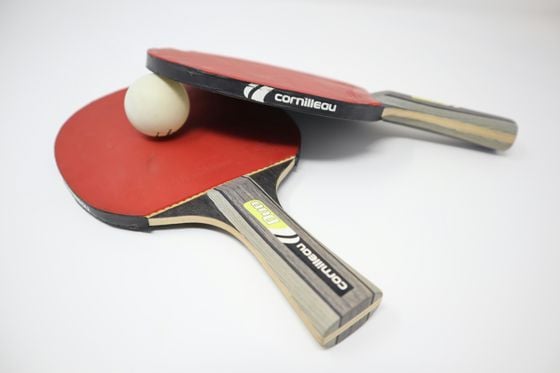
Throughout the 1910s and 1920s, the game increased in popularity, and became known more widely as ping pong or table tennis, with many unable to access proper lawn tennis becoming hooked on the domestic pursuit. However, the names caused some confusion, as different rules were developed for each, and two associations were formed to oversee the burgeoning sport.
1926 was a watershed moment in the history of the game, with the first major tournament, the World Table Tennis Championship, being hosted by the UK in London. It was also the year that the International Table Tennis Federation was formed to formally ratify rules and regulations. The tournament was dominated by Hungary, who swept the medal boards in both individual events, and the Swaythling Cup (a group event), taking home a total of five gold medals.
1920 - 1950 saw the classic hard bat era, which was again, largely dominated by European (particularly Hungarian) players, notably Victor Barna and Maria Mednyanszky, who each won five consecutive gold medals. This European dominance would be stopped by Asia from 1952 onwards, with the introduction of sponge-covered bats. Japan, in particular, saw a long era of dominance in major events, with players such as Hiroji Satoh, Ichiro Ogimura, and Tomie Okada-Okawa bringing in new fitness and training regimens for players, many of which have stood the test of time. The sport made its Olympic debut in Seoul in 1988 and has remained a popular fixture of the games ever since.

Table Tennis for world diplomacy
Table tennis played an important role in international diplomacy when several teams were invited to China to play a series of friendship matches following the 1971 World Championships held in Tokyo. Chinese Premier Zhou Enlai stated, “Your visit to China has opened the door for people-to-people exchanges between China and the USA.” This formed part of the backdrop to President Nixon’s historic and successful visit to the country, opening diplomatic relations that had previously been frosty due to the Cold War.
The modern era
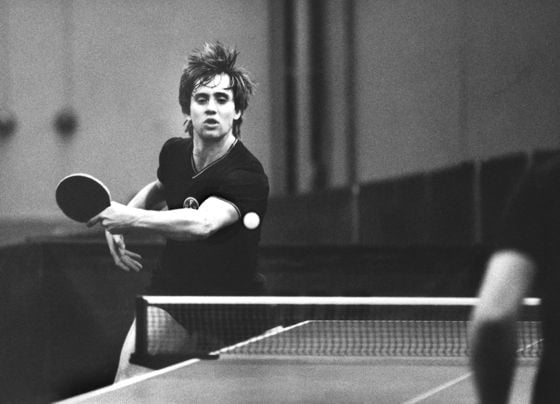
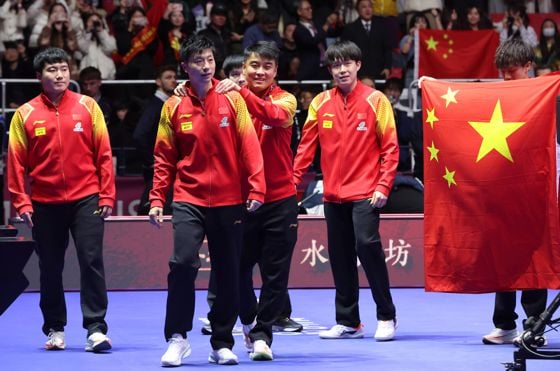
Fast-forward to modern times, and while many aspects of the game remain the same, there are notable differences. Bat technology is one area of continuous development, along with the kind of breathable material designs that today’s table tennis attire provides. Modern manufacturing techniques allow players to design their own custom-made table tennis jerseys, whether they’re playing as individuals or part of a team. We’ve also seen nations dominate the professional game, with Sweden becoming a powerful force in the 1970s. Most notably, though, China has asserted its authority over the game in recent times, often sweeping the gold at major events, with many of its players ranking highly on table tennis GOAT lists. The game is a hugely popular pastime across the nation, leading many to pursue professional careers.
The 100th Table Tennis World Championships
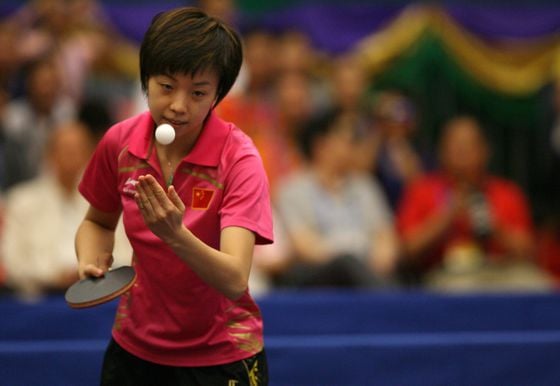
So, the game returns to London for the centennial edition of the event, one which has travelled to all corners of the globe, from Qatar to Malaysia, and even North Korea on one historic occasion. This will be a year of celebration with the best players in the world competing against one another in front of packed crowds. Expect to see strong showings from China, always heavy favourites in the men’s events, as well as the USA, and from European quarters, led by world No. 2 Swede Truls Möregårdh, who is predicted to have a very strong year, supported by Anton Kallberg and Kristian Karlsson. You can expect to see myriad custom-designed jerseys from around the world, highlighting the global reach of the game, as well as the kinds of varied 3D designs available to players at all levels of the game.
Players are now attuned to various styles of offensive and defensive play, so expect to see some remarkable rallies, many of which would not be out of place in modern exhibition matches. In the women’s ranks, the Chinese again are heavy favourites, with a dominant lineup including world No. 1 Sun Yingsha, Wang Manyu, Chen Xingtong, Wang Yidi, and Kuai Man. That said, the Japanese may provide something of a banana skin to this dominance, with top challengers featuring Miwa Harimoto (crowned champion at the inaugural WTT Star Contender London 2025), Hina Hayata, and Honoka Hashimoto all out to play.

Table tennis has a long and storied history, and remains one of the world’s most popular games both in the pro ranks and among grassroots and casual players. The World Table Tennis Championships this year will provide much entertainment to sports fans around the globe, who can expect high-octane and highly skilled action on the tables in London.
Image credits Title image: IMAGO / piemags; Image 2: Unsplash / Call Me Fred; Image 3: IMAGO / Xinhua; Image 4: IMAGO / TT; Image 5: IMAGO / Newscom / SCMP; Image 6: IMAGO / Xinhua; Image 7: Pexels / Michael Quaynor